


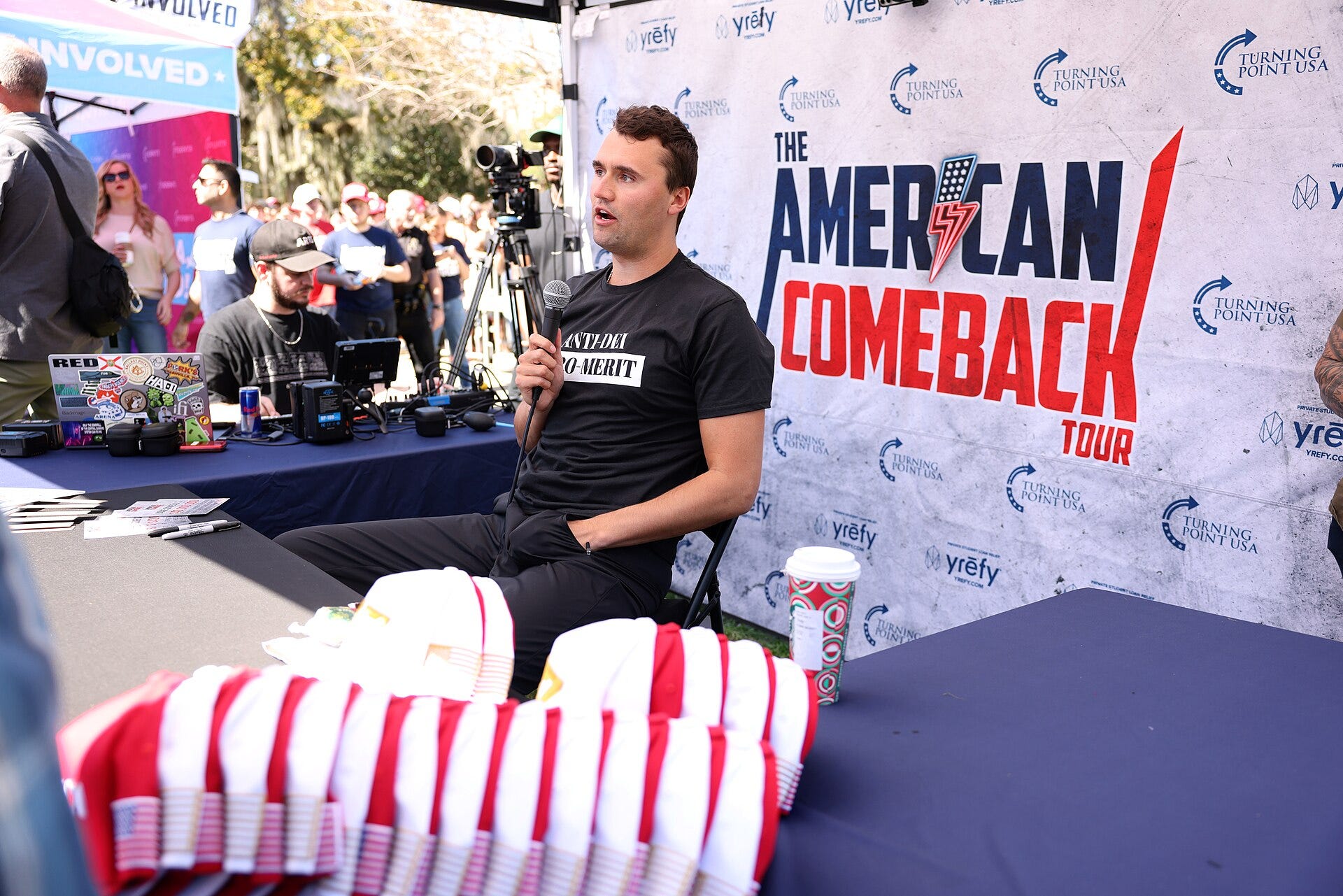
The assassination of conservative activist Charlie Kirk this week has triggered a perfect case study in the difference between constitutional free speech protections and real-world consequences. It is likely that thousands of people across the country have been fired, put on leave, investigated or faced calls to resign because of social media posts criticizing Charlie Kirk or expressing schadenfreude about his death.
Here's what happened, and why it perfectly illustrates how free speech actually works in America.
The Government Can't Touch You
Dozens of social media posts and messages about Kirk's murder, including some that celebrated his death, are being spotlighted by conservative activists, Republican elected officials and a doxxing website. But notice what's NOT happening: nobody is being arrested.
The government, despite pressure from officials, cannot prosecute people for posting "1 Nazi down" or saying Kirk's death "really brightened up my day." That's the First Amendment working exactly as intended. You can celebrate political violence online, and the state's hands are tied.
But Your Boss Isn't the Government
Private consequences, however, are swift and brutal:
Teachers and professors fired immediately:
A Middle Tennessee State University employee was fired after writing they had "ZERO sympathy" for Kirk's death
University of Mississippi fired a staff member for "re-sharing" insensitive comments
A Baylor University graduate student lost their job as a student teacher for posting about Kirk's death
Teachers in California, Florida, Iowa, Pennsylvania, Maryland, Massachusetts, Michigan, North Carolina, South Carolina, Oklahoma, Oregon, and Texas have been fired or placed on leave
Corporate employees axed:
Private companies, such as Freddy's Frozen Custard & Steakburgers and the Carolina Panthers, have also let employees go for their social media posts about Kirk
Lotus Communications fired local radio operator Bobby Machado for posting he was glad the world is without Kirk
Media personalities terminated:
MSNBC fired senior political analyst Matthew Dowd after he said Kirk's rhetoric might have contributed to his shooting
The Coordinated Campaign
Conservative activists are running a systematic campaign to identify and punish people who posted about Kirk:
Laura Loomer posted: "I will be spending my night making everyone I find online who celebrates his death Famous, so prepare to have your whole future professional aspirations ruined"
A website called "Expose Charlie's Murderers" explicitly aims to get the people it spotlights fired
Influencer Joey Mannarino posted instructions: "If they have their picture on their profile, even without a name, download the picture and reverse image search it...find their place of employment"
Government Officials Joining In
While they can't arrest anyone, government officials are using their platforms to amplify the pressure:
Rep. Clay Higgins (R-La.) said he will seek lifetime social media bans and threatened: "I'm also going after their business licenses and permitting, their businesses will be blacklisted aggressively"
Florida's education commissioner threatened investigation of "every educator who engages in this vile, sanctionable behavior"
Deputy Secretary of State Christopher Landau indicated his office might revoke U.S. visas of foreign nationals over their social media remarks
The Real Lesson
This isn't censorship, it's consequence. The First Amendment protects you from jail, not from being fired. Your constitutional rights create a floor, not a ceiling. Above that floor, civil society gets to respond.
As UC Irvine law professor David Kaye noted: "I don't think that in a democracy we can clamp down on people engaging in debate over the legacy of somebody who was killed," but that doesn't mean employers have to keep you employed while you do it.
This Isn't "Cancel Culture" It's Consequence Culture
Before anyone starts crying about "cancel culture," let's be clear: celebrating political assassination isn't some nuanced political opinion being silenced by woke mobs. It's crossing a bright moral line that most employers, regardless of politics, won't tolerate.
Cancel culture typically involves:
Disproportionate punishment for minor infractions
Destroying people over old tweets or jokes taken out of context
Mob justice without due process
Targeting people for legitimate political differences
Consequence culture is what we're seeing here:
Direct, immediate consequences for celebrating violence
Employers protecting their reputation and workplace culture
Swift action against behavior that violates basic professional standards
Natural social boundaries around acceptable discourse
When a teacher posts that they "loved every fraction of a second" of watching Kirk's murder video, that's not political speech, it's celebrating violence against another human being. When someone calls a gunshot wound to the neck what Kirk "deserved," they're not expressing policy disagreements, they're endorsing murder.
The difference matters: legitimate political dissent deserves protection from disproportionate social punishment. Glorifying assassination does not.
Understanding this distinction is crucial because:
Government restraint ensures unpopular speech can exist without state persecution
Social consequences allow communities and workplaces to maintain standards
The combination creates space for both dissent and accountability
The Charlie Kirk aftermath shows this system working exactly as designed. People expressed vile opinions without fear of government prosecution. Society responded by removing them from positions of trust and influence.
The Constitution protected their right to speak. It didn't protect them from the consequences of what they said.
Bottom line: Free speech means the government can't arrest you for your opinions. It doesn't mean your boss, your customers, or your community have to tolerate them.