


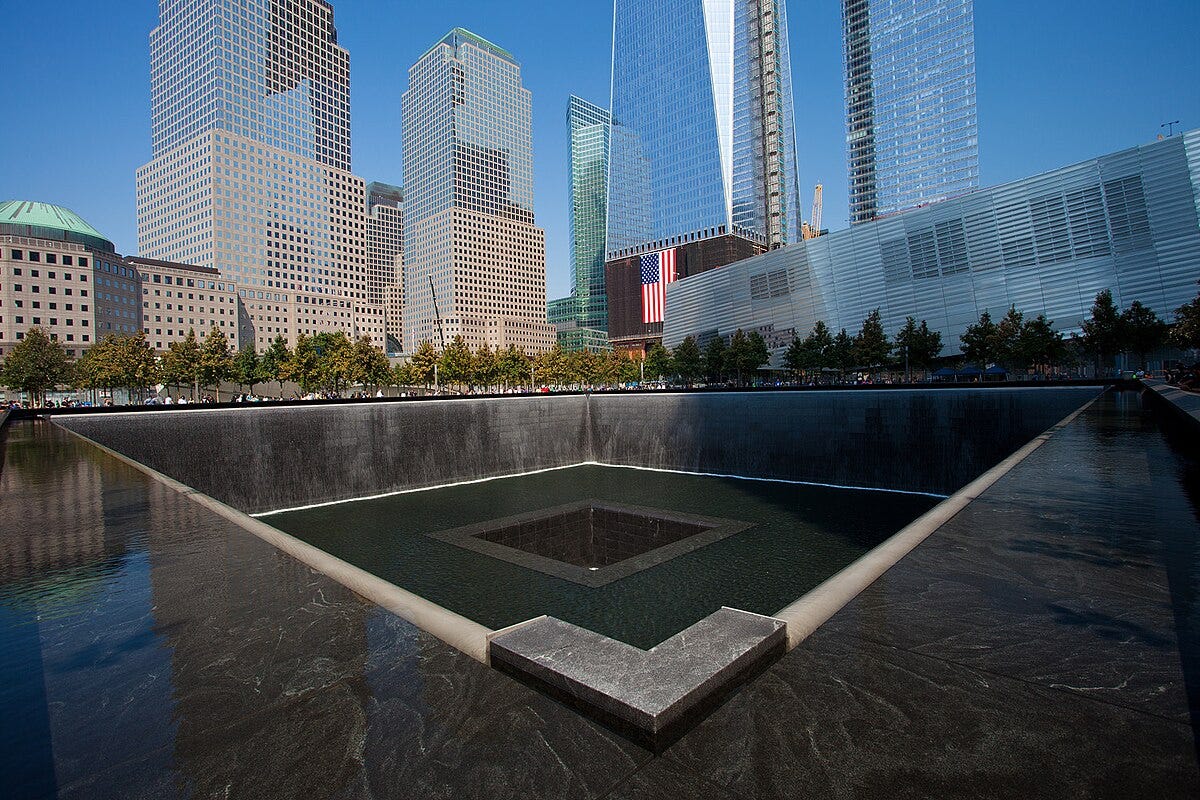
On September 11th, as we pause to remember the nearly 3,000 people who died in the terrorist attacks, there's another number we should keep in mind: 140,000. That's how many survivors, first responders, and recovery workers are currently enrolled in the World Trade Center Health Program, a federal lifeline that's now under threat from funding cuts.
These aren't just statistics. They're the people who ran toward danger when everyone else ran away. The firefighters who climbed those stairs. The police officers who pulled people from the rubble. The construction workers who spent months breathing toxic dust to clear Ground Zero. The office workers who escaped the towers but couldn't escape what they inhaled.
The Invisible Wounds That Won't Heal
Dr. Michael Crane, who has treated 9/11 survivors for over two decades, puts it bluntly: "We're still in the acute phase of this disaster." The dust cloud that engulfed Lower Manhattan wasn't just debris, it was a toxic cocktail of asbestos, concrete particles, glass fibers, and hundreds of other carcinogens that have been slowly killing people for 24 years.
The health impacts read like a medical textbook of horrors:
Respiratory diseases that turn simple breathing into a daily struggle
Cancers appearing at rates far above normal populations
Cardiovascular disease linked to the inflammatory response from toxic exposure
Autoimmune disorders as immune systems remain permanently disrupted
But perhaps most devastating are the psychological wounds that never fully close. Post-traumatic stress disorder, depression, and anxiety plague survivors at rates that would be considered epidemic in any other context. Many carry what researchers call "survivor's guilt," wondering why they lived when others didn't, why they're sick when others aren't.
The Bureaucratic Betrayal
Here's what makes this especially cruel: Congress created the World Trade Center Health Program in 2010 with great fanfare, promising comprehensive care for those affected by 9/11. It was supposed to be fully funded through 2090. But now, advocates are sounding the alarm about funding cuts that could have "long-term negative implications" for program participants.
The program faces a perfect storm of challenges:
Rising enrollment as more people develop 9/11-related illnesses
Aging population requiring more intensive (and expensive) care
Political pressure to reduce federal spending
Inflation driving up medical costs faster than funding increases
The result? Treatment delays, reduced services, and the very real possibility that some of the people who sacrificed the most on 9/11 will be abandoned by the country they served.
The Ripple Effect of Trauma
The psychological toll extends far beyond the direct survivors. Family members watch loved ones deteriorate from mysterious illnesses. Children grow up with parents who are physically present but emotionally haunted. Entire communities in New York bear the collective trauma of that day and its aftermath.
Dr. Robin Herbert, who co-directs the World Trade Center Health Program, sees patients who break down in her office not just from physical pain, but from the feeling that they've been forgotten. "They feel like the country has moved on," she says, "but their bodies and minds are still trapped in September 11, 2001."
Beyond the Statistics
Behind every enrollment number is a human story. Like Detective James Zadroga, who died from respiratory disease caused by Ground Zero exposure, name now graces the legislation that created the health program. Or the dozens of firefighters who have died by suicide, unable to cope with the physical and emotional toll of their service.
These aren't isolated cases. The FDNY has lost more members to 9/11-related illnesses than died on the day of the attacks itself. Let that sink in: the disaster is still killing more people than it did on September 11, 2001.
What We Owe
On this anniversary, as politicians give speeches about "never forgetting," we need to ask ourselves: What does remembering actually look like?
It's not just about memorial services and moments of silence. It's about honoring our commitment to the people who answered the call when America needed them most. It's about ensuring that a first responder doesn't have to choose between rent and cancer treatment. It's about acknowledging that some wounds from 9/11 will never fully heal, and that's our responsibility to bear.
The World Trade Center Health Program isn't just a healthcare initiative, it's a moral obligation. When we sent people into that toxic environment to save lives and rebuild our city, we made an implicit promise: if you get sick because of what you did for us, we'll take care of you.
The Fight Continues
As we remember the heroes of September 11th, we also need to fight for the heroes who are still with us. They're battling cancer in hospital rooms across the country. They're struggling to breathe, to sleep, to feel safe. They're wondering if the country they served will be there for them when they need it most.
The answer to that question will define us as much as how we responded in those first terrible hours after the towers fell. We can't bring back the dead, but we can still save the living.
The choice is ours. But for 140,000 Americans whose health was shattered in service to their country, time is running out.
If you found this article valuable, please share it. The 9/11 community needs advocates now more than ever. And if you want to help, contact your representatives in Congress, they need to hear from constituents that funding the World Trade Center Health Program isn't optional, it's essential.